My path has never looked much like a ladder. It has looked more like a set of
improvised routes: some practical, some strange, some exhausting, some useful later
in ways I could not have predicted at the time.
I have worked counters, phones, kitchens, classrooms, care settings, university
corridors, and at least one job that probably belonged in a cautionary tale. Some
jobs were survival jobs. Some were attempts at a plan. Some were what was available.
A few were genuinely formative. A few were absurd. Most were both.
01
Counters, phones, and early scripts
I started working as a teenager as a cashier at Safeway. That job taught me
repetition, public politeness, customer moods, small talk, standing for long hours,
and how much emotional labour can fit into a short transaction. It also taught me
how to memorize more than a hundred produce codes. Bananas = 4011.
Around the same time, and into early adulthood, I did a surprising amount of phone
work: fundraising calls for The Knowledge Network, recruiting work, home-security
telemarketing, event-ticket sales, and a short-lived vacuum-cleaner sales job that
I will politely describe as educational.
Phone work is strange training. You learn scripts. You learn rejection. You learn
how quickly a person can hang up on you. You also learn that many jobs involve
performing confidence whether or not you actually feel any.
There was also a fry cart. Of course there was a fry cart.
02
Kitchens, sandwiches, and food work
Food work kept returning. I worked at Subway for years, later managed a Subway in
Nova Scotia, worked deli and line-cook shifts, and spent a summer cooking in a
fine-dining hotel restaurant on Wolfe Island.
After my MA, while waiting to hear whether I had been accepted into a PhD program,
I worked as sous-chef at The Perfect Pear. At the time, the future genuinely felt
open in two directions. If graduate school did not work out, I was seriously
considering apprenticing as a chef.
That period still feels like it belongs somewhere on this site eventually: food,
labour, taste, class, competence, exhaustion, and the strange pride of becoming
good at something physically demanding.
Kitchens teach timing, triage, memory, stamina, improvisation, and the difference between looking calm and being calm.
03
Overnight work and other survival economies
For a while, I worked overnight at a convenience store while also juggling school
and other work. Overnight retail has its own anthropology: fluorescent lights,
tired regulars, strange conversations, quiet hours, sudden rushes, and the feeling
that the rest of the world is happening somewhere else.
The store also produced a steady stream of chaotic interactions — some scary, some
heartbreaking, and some simply bizarre. At 3 a.m., people would call asking
questions that made perfect sense only to them. One caller wanted to know what
kinds of balloons we carried. Another asked me to read the titles of all the
pornographic magazines behind the counter.
I was so naïve at the time — helped along by a healthy dose of CPTSD-related social
confusion — that I actually started reading the titles before realizing what was
happening.
Not everything I learned came from classrooms. Some of it came from cash drawers, food prep, night shifts, strange phone calls, and getting through the next practical problem. One object from those years now lives in the Collection: The Back of the Ticket.
04
Care work and human services
I trained in addictions counselling and worked around human services, detox support,
small-options support, community service work, and program development connected to
Gamblers Anonymous.
That work mattered. It also taught me that institutions often ask people to carry
more than the job description admits.
This part of my route sits somewhere between care, bureaucracy, burnout, ethics,
and survival. I do not know yet how much of it I will write about here, but it
shaped me.
05
Military college, briefly
I also spent a brief period as an officer cadet. I joined the military partly
because I had thrived in Air Cadets as a teenager and partly because I could not
afford university.
At the time, it seemed like a practical path forward: a way to continue something I
had enjoyed while also gaining access to an education that otherwise felt out of reach.
It happened. It is part of the story. It is also not the whole story.
Some parts of a life become public record. Some become private architecture. This site will not flatten that distinction.
06
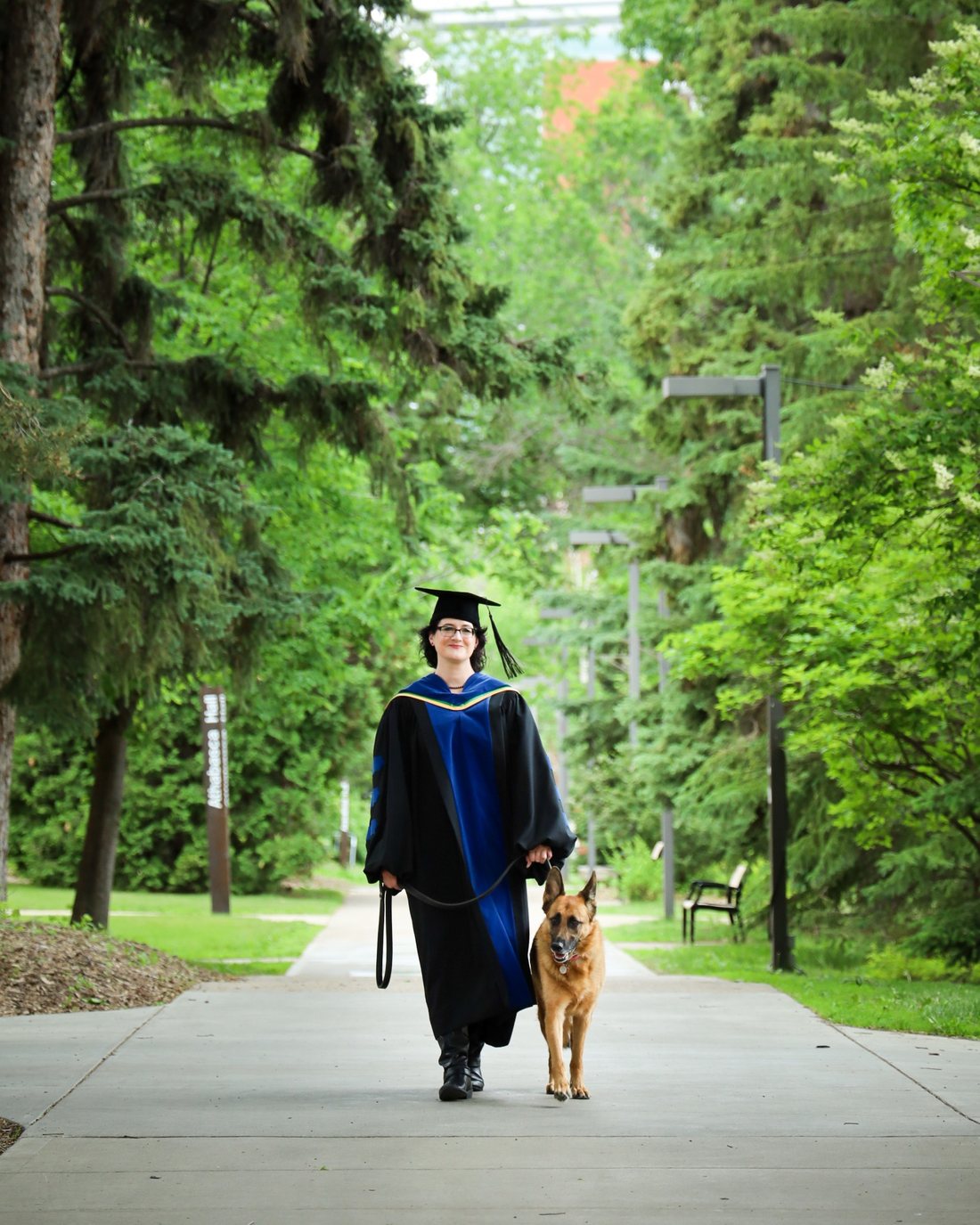
Graduate school, research, and teaching
Later came the formal academic route: psychology, human services, social and
political thought, sociology, and digital humanities.
I worked as a research assistant, teaching assistant, instructor, lecturer, and
full-time university teacher. I also did some work from home as a “digital
anthropologist,” which is one of those job titles that sounds fictional but was,
in fact, a thing.
My research moved through digital culture, games, archives, alienation, and the
social lives of media objects. My teaching work involved course design, lectures,
grading, student support, and the strange responsibility of trying to make difficult
ideas usable.
On paper, this can look like a steady climb. It was not. Routes have detours, bad weather, strange rest stops, missed exits, and maps that only make sense after the fact.